 (864) 277-2887
DRUM SHOP
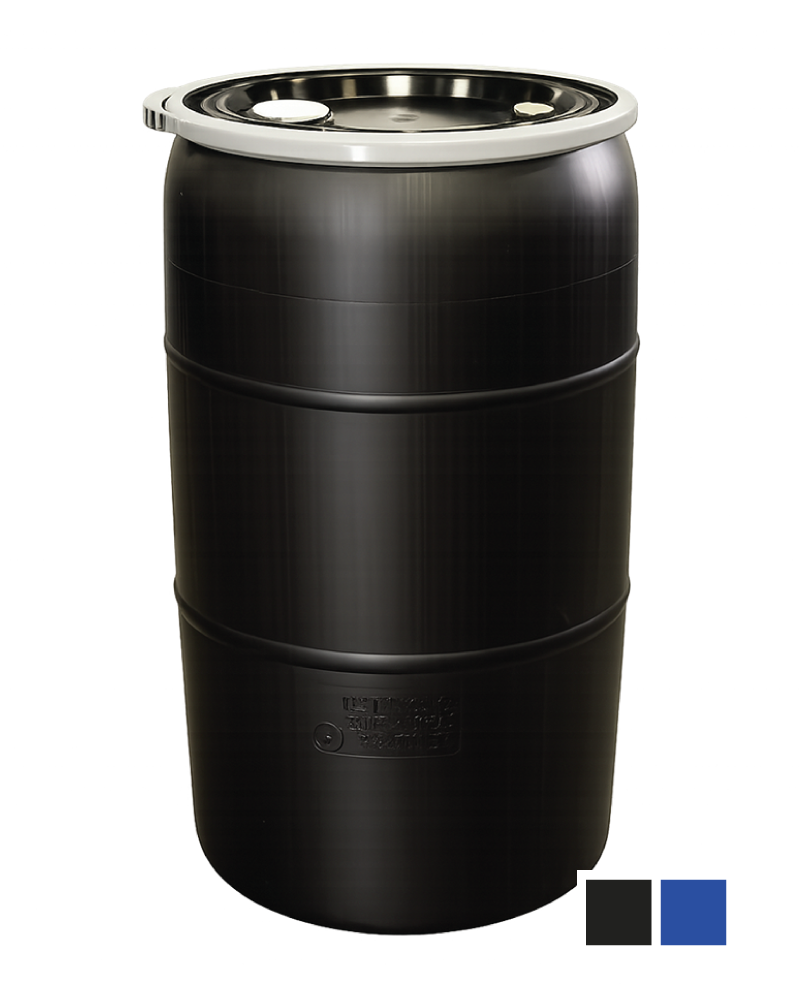
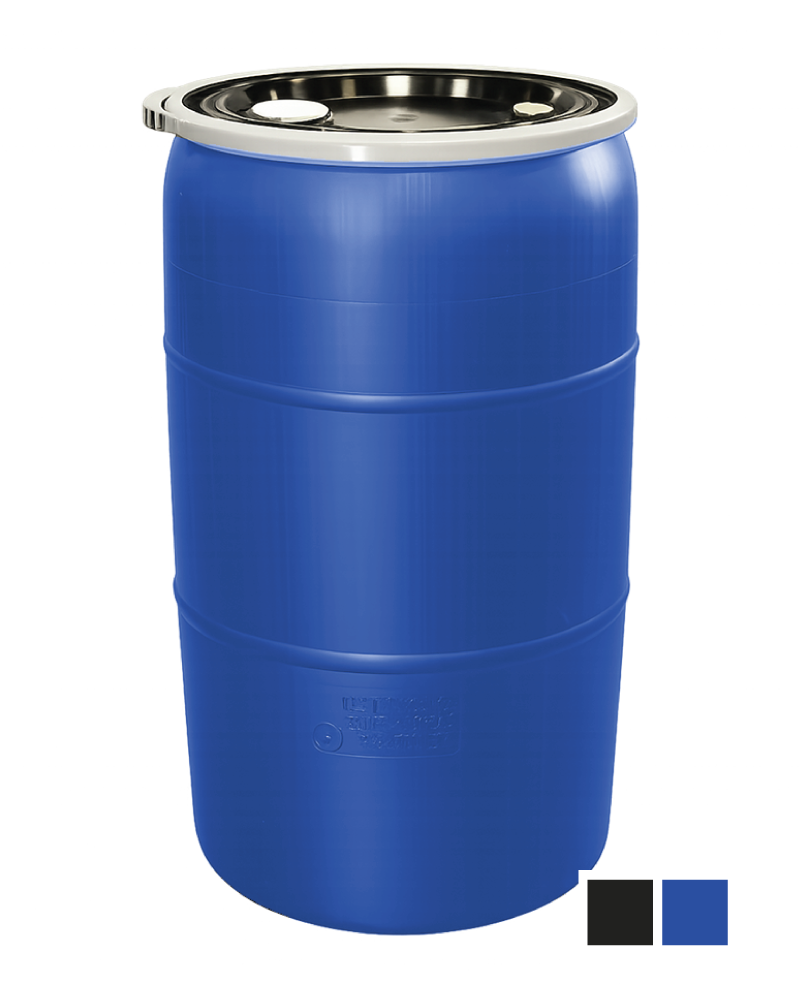





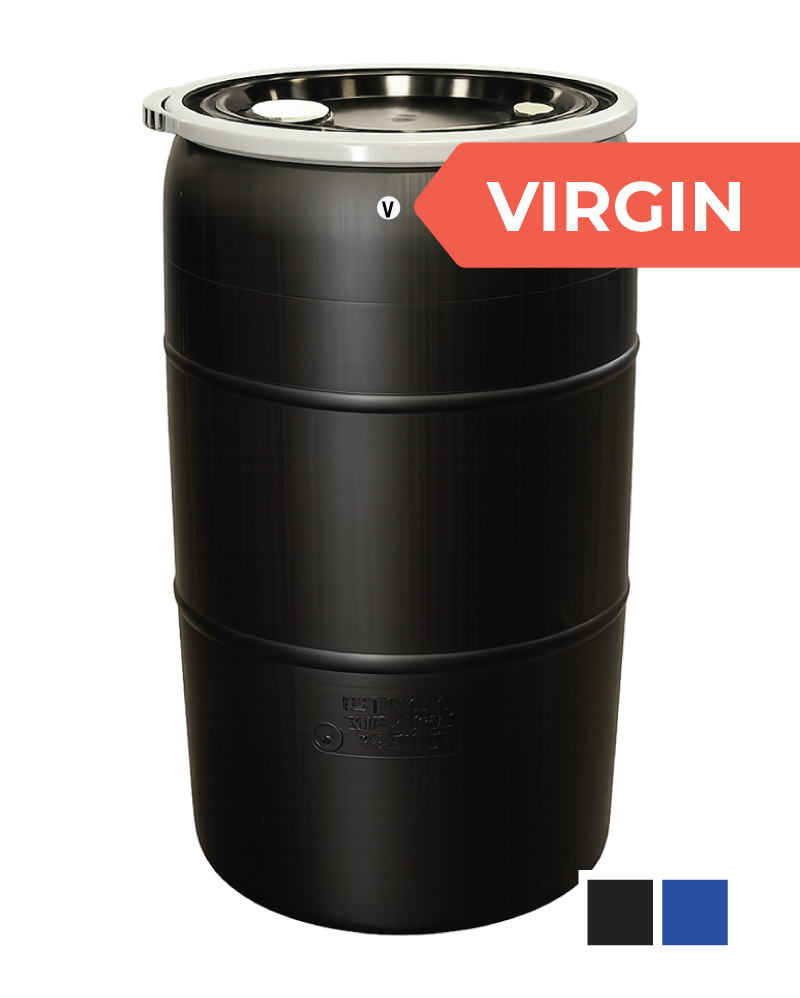
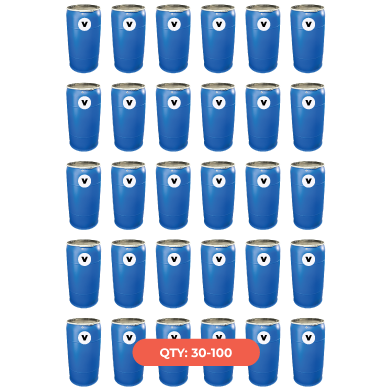
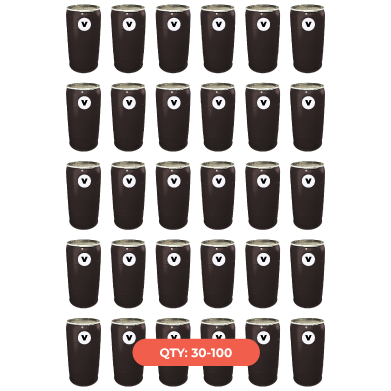




*Other variations available. Submit a request if you need different specifications or call us to process a phone order.


Frequently Asked Questions
-
The 55 gallon drums are useful for many things including being used for the storage of non-consumption water. Water stored in 55 gallon drums should not be used for human or animal consumption. As long as you're you are using new containers and not reconditioned containers, human consumption is acceptable for irrigation and gardening. Reconditioned containers should never be used for water storage of any type.
-
To remove the lid from a 55-gallon plastic drum, you must first remove the locking ring. The locking ring is removed by unlatching the lock on the front of the handle. Open the handle and then remove the ring from the top of the drum. Once the ring is removed, the lid can simply be placed on or off the drum.
-
A 55-gallon closed head drum can be sealed by applying the manufacturer's recommended torque to the two inch opening bung on top of the container. An open-head container can be sealed by placing the lid on top, then apply the locking ring and closing it according to the closure and structures provided by the manufacturer.
You can seal a 55-gallon plastic open head drum by placing the 21-inch cover on top of the container, applying the locking ring, closing it, and then securing the latch. -
A 55-gallon closed-head drum can be opened by removing one of the two two-inch bungs located on top of the container. An open-head 55-gallon drum can be opened by unlatching the locking ring, removing the ring and then removing the cover. An open head can also be opened by just using the 2-inch bung located on top of the drum cover.
-
Certain drums are rated for storing gas in 55-gallon drums. They are typically multilayer or fluorinated drums. Standard drums do not meet this criteria and long-term exposure to gasoline can degrade the plastic.
-
Drums are cylindrical containers used for shipping bulk goods. Drums can be made of steel, dense psperboard or plastics, and are generally used for the transportation of certain materials or modest quantities of bulk goods. The two common sub-types of drums are the open top and the welded top with 2" bung holes, often referred to as barrels.
Standard drums have reinforcing rings of thickened metal or plastic at four places: top, bottom, and one each a third of the way from each end ring. This sufficiently strengthens them so that they can be readily be turned on their sides and rolled when filled with heavy materials like liquids. Over short to medium distances, drums are generally tipped and rolled on the bottom rim while being held at an angle, balanced and rotated with a two handed top grip that also supplies the torque (rotational or rolling force).
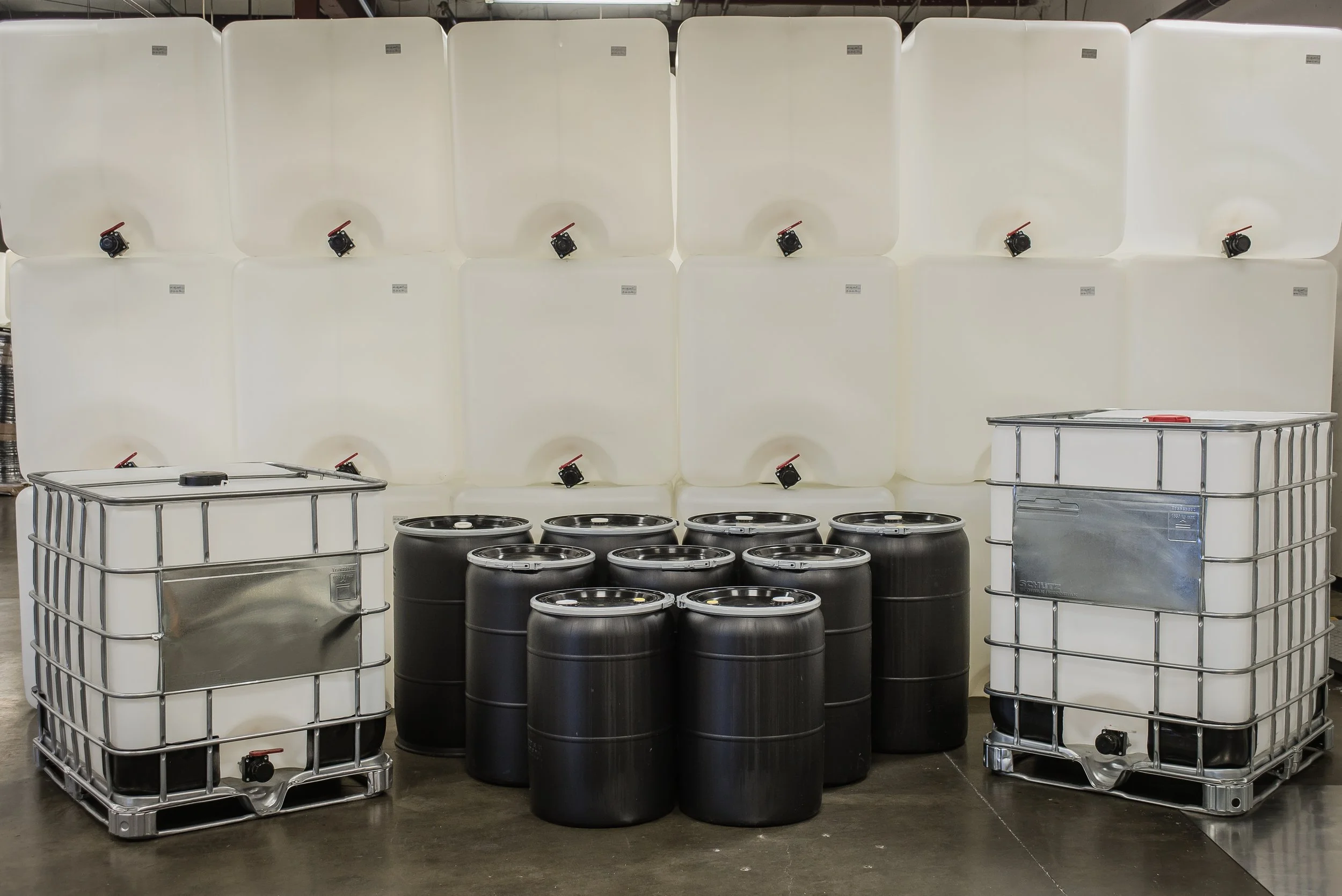
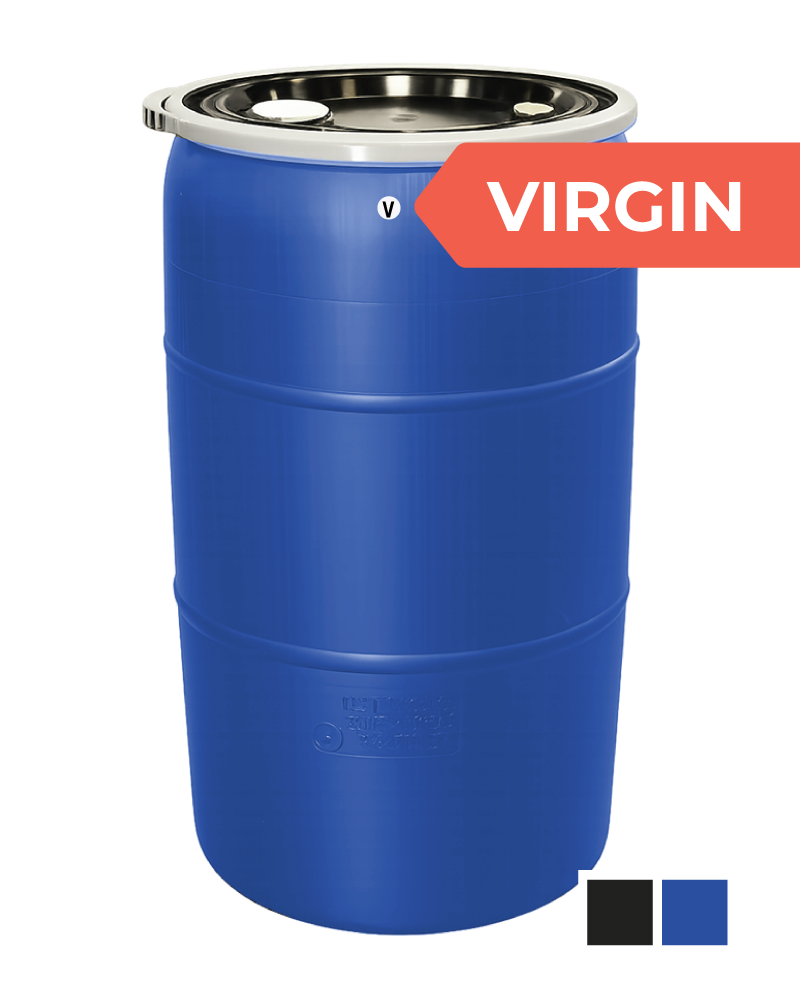
Drum containers are constructed with one-piece high density, high-molecular weight, polyethylene to provide strength and durability. They are made with molded-in foot rings to resist punctures and to add stability. Drum bottoms are designed to maximize contact with the pallet for slip resistance, and have a large diameter to add capacity and stability. They are weather proof, easily reused or reconditioned for multiple trips, and are available in blue, black, or custom colors.
-
Open-head plastic drums, which have fully removable heads, are used to ship dry and viscous (e.g., adhesives) products as well as free flowing liquids that are not Department of Transportation (DOT) regulated. The open-top sub-type is sealed by a mechanical ring clamp (concave inwards) that exerts sufficient pressure to hold many non-volatile liquids and make an air-tight seal against a gasket, as it exerts force inward and downward when tightened by a normal three-quarter inch wrench or ratchet wrench. Many drums are used to ship and store powdered products as well as liquids, such as plastic beads for injection molding and extrusion, and purified industrial grade powders like cleansers, fertilizers, and powdered aluminum.
-
Tight-head plastic drums typically have two threaded openings in the top head and are used to transport free-flowing liquids. Plastic closed-head drums are the preferred shipping container for caustic and acidic materials because the solid, one-piece construction makes it more attractive for storing or transporting hazardous materials, ensuring against leakage or spills. Chemicals frequently transported in closed head plastic drums include: acetic acid, acrylic acid, ethylene glycol, methanol, mineral spirits, and sulfuric acids as well as caustic chemicals because they do not corrode the plastic drums. Other non-regulated chemicals, dyes and adhesives that utilize plastic drums are agricultural chemicals, cleaning liquids, pharmaceuticals, paints and coatings, photographic chemicals and reagent solutions.
-
The shipment of flammable liquids is governed by regulations that are found in 49 CFR under the jurisdiction of U.S. Department of Transportation. Any shipment of flammable liquids or other DOT hazardous materials should be in compliance with 49 CFR, which designates and identifies the correct package based off the specific chemical being shipped.
-
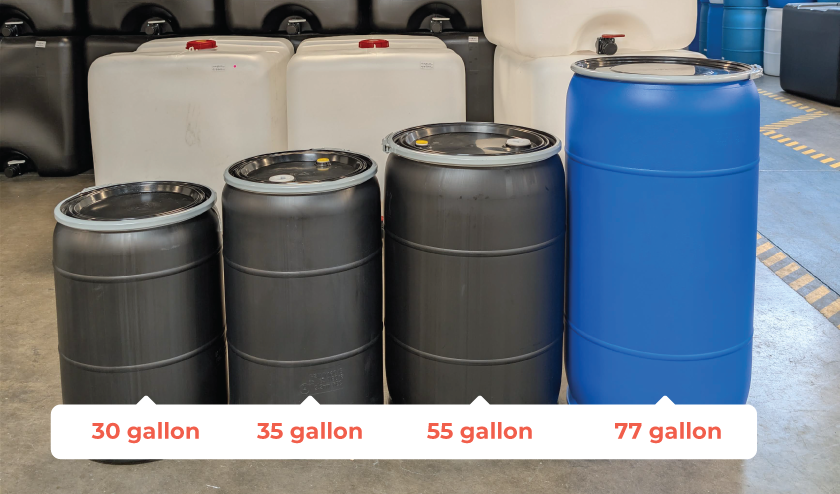
55 gallon drums and especially 77-gallon barrels are often used for transporting goods to hurricane-stricken areas and reused to provide aid to the islands. They drums (barrels) can be used to send hurricane aid or simply food and medical supplies and other needs that provide relief to areas in need.